
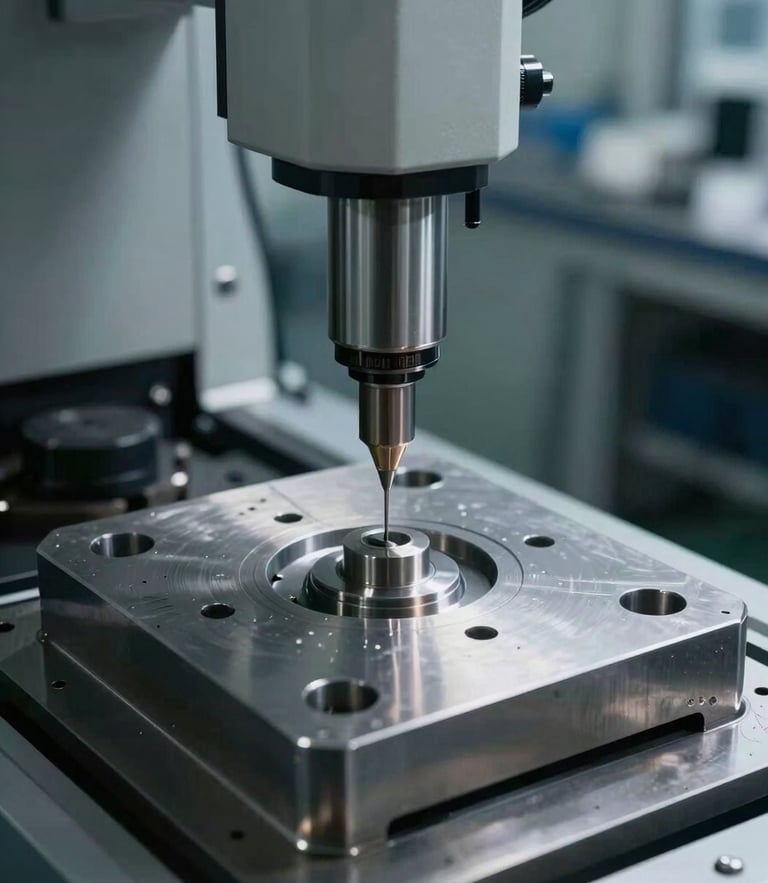
MATERIALS & QUALITY CONTROL
Material Selection & Quality Control
We help review material options, key dimensions, hardness requirements, heat treatment needs and inspection items according to drawings, samples, working conditions and order requirements.
QUALITY CONTROL FOCUS
Three Practical Quality Checkpoints
Quality requirements should be defined before production, based on the product type, material, working condition and inspection level required by the order.
Material & Traceability
Dimensional Check
Hardness & Heat Treatment
Material grade, heat number, material reports or chemical composition checks can be arranged according to order requirements and supplier documentation availability.
Key dimensions, hole positions, installation interfaces and tolerances can be checked against drawings, samples or confirmed measurement requirements.
Hardness testing and heat treatment requirements can be arranged when required, especially for wear-resistant parts, impact areas and special-condition components.
QUALITY CONTROL FOCUS
Material Options by Working Condition
Material selection should be reviewed according to abrasion, impact, temperature, corrosion, pressure and installation requirements.
Wear-Resistant Materials
High-manganese steel, chrome-moly alloys, chromium carbide wear plates and other wear-resistant materials can be considered for abrasion and impact applications.
Heat-Resistant Materials
Corrosion-Resistant Materials
Pressure-Related Components
Heat-resistant steels and alloy options can be reviewed for cement systems, thermal processing and heat-exposed industrial equipment.
Stainless steels, duplex stainless steels, nickel alloys or other corrosion-resistant materials can be reviewed for slurry, chemical fluids and wet processing environments.
Material and inspection requirements for pressure-related, filtration and fluid-handling components should be reviewed according to drawings, standards and application conditions.
QUALITY CONTROL FOCUS
Inspection & Documentation Options
Inspection scope should be confirmed before production. Available items depend on product type, material, order requirements and agreed inspection level.
Key Dimensions
Key dimensions, hole positions, installation interfaces and tolerances can be checked against drawings, samples or confirmed measurement requirements.
Hardness Records
Material Reports
Packing & Shipment
Hardness testing and heat treatment records can be arranged when required for wear-resistant parts, impact areas and special-condition components.
Material certificates, heat numbers or chemical composition information can be provided according to order requirements and supplier documentation availability.
Packing photos, shipment documents and inspection summaries can be arranged to support transparent delivery and order follow-up.
QUALITY CONTROL FOCUS
What Helps Us Review Your Requirements
Clear technical information helps us review material options, production requirements and inspection scope more accurately.
Drawings or 3D Files
2D drawings, 3D models, CAD files, tolerances and material specifications help define the required dimensions and production requirements.
Samples or Worn Parts
Application Details
Quantity & Documents
Physical samples, worn parts or old components help verify real geometry, installation interfaces and replacement requirements.
Equipment model, installation position, material flow, temperature, corrosion, pressure, impact and abrasion details help us understand the real working environment.
Required quantity, target delivery time, packing needs and required inspection documents help us prepare a practical quotation.
TECHNICAL RFQ
Discuss Your Material & Quality Requirements
Send drawings, samples, material requirements, working-condition details or required inspection documents. We will review the application, material options, production requirements and inspection scope before providing practical quotation details.